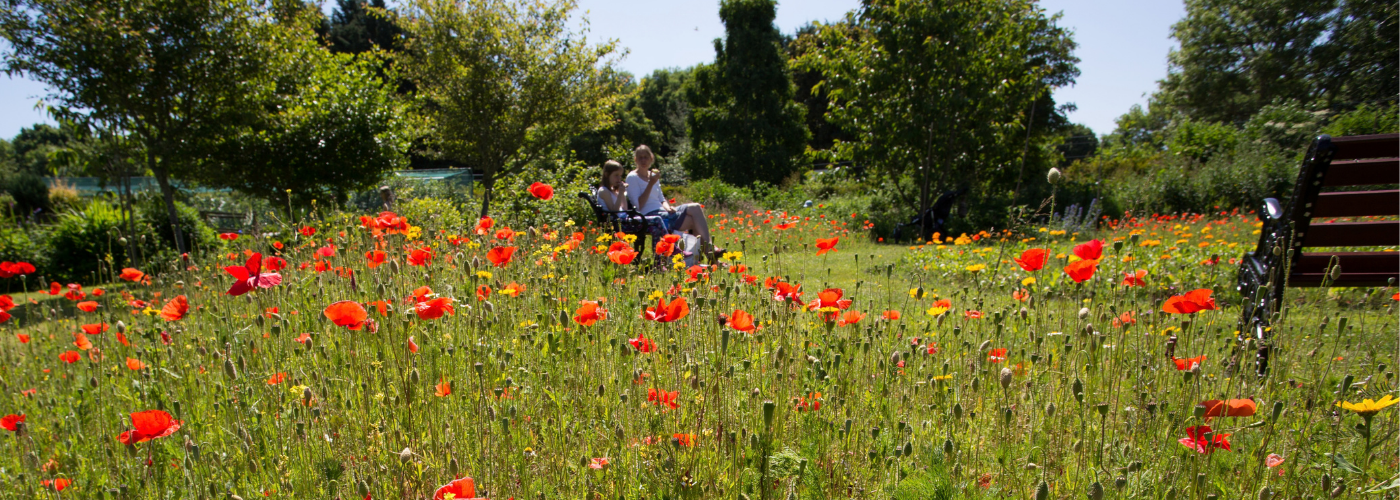
Over the past 12 months Inverness Botanic Gardens and Café – operated and managed by High Life Highland – has embedded sustainability into every aspect of its operation, creating a circular model where renewable energy, horticulture, food production, waste reduction, biodiversity and education work together.
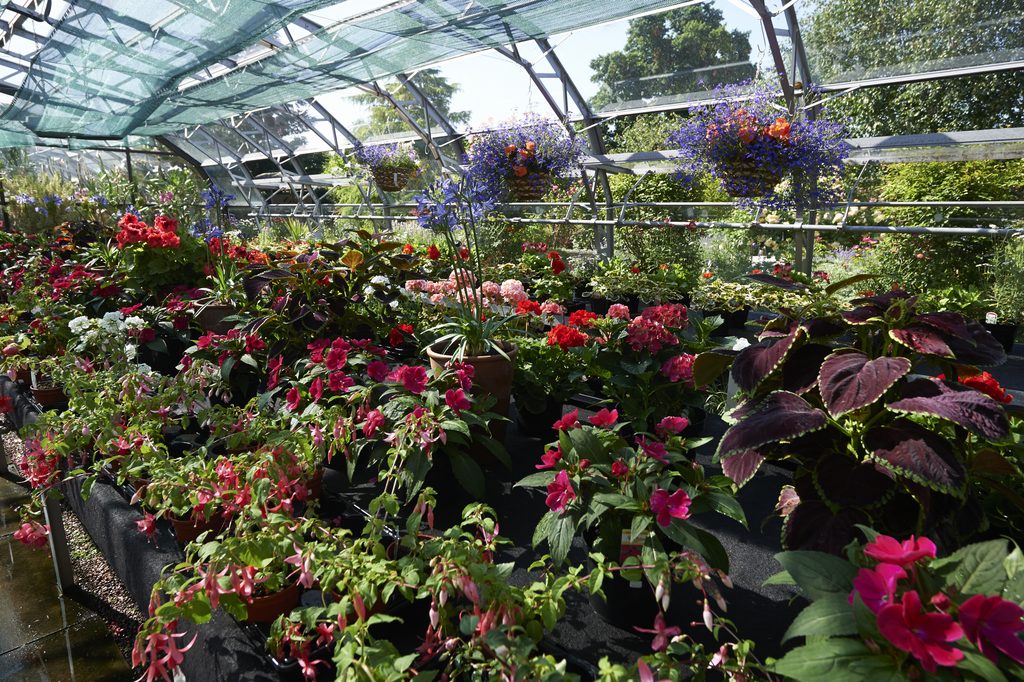
A 110 m² solar photovoltaic installation now generates around 20,000 kWh of renewable electricity each year, reducing both operating costs and carbon emissions. Alongside this, the Gardens operate using 100% peat-free horticultural production, growing more than 50,000 bedding plants and over 500 hanging baskets annually while protecting valuable peatland habitats.
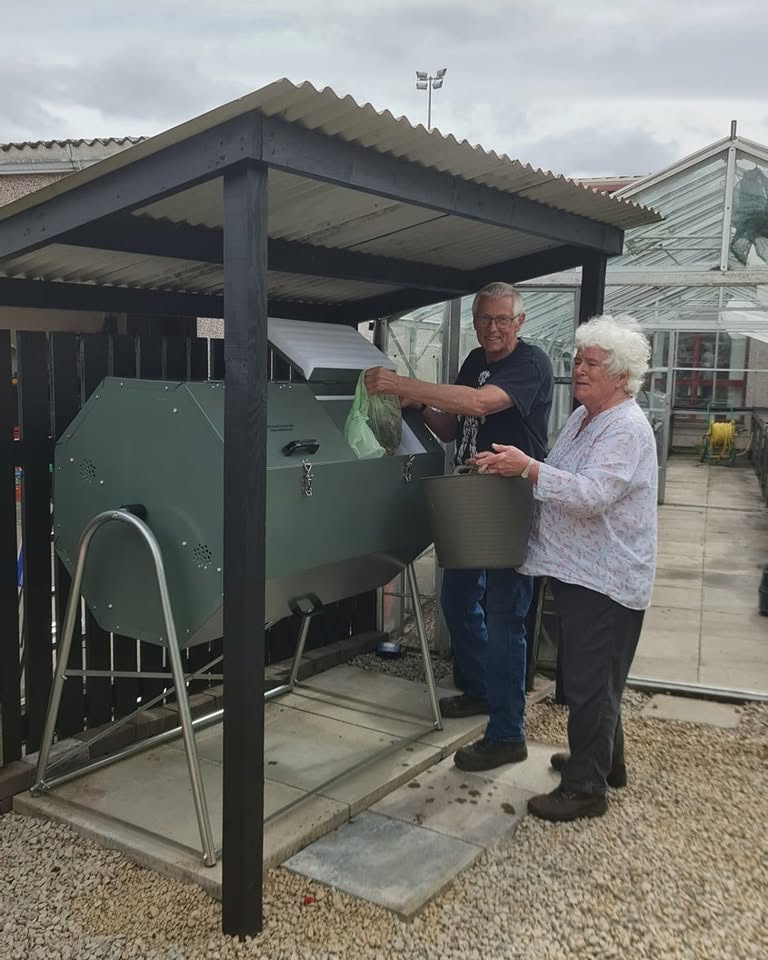
A new hot composting system has transformed how waste is managed. Each year approximately 12,480 litres of food waste from Café Botanics, together with green waste from the Gardens, is converted into nutrient-rich compost for reuse on site.
This eliminates the need for around 52 collections of a 240-litre food waste bin each year, significantly reducing waste transport while creating a valuable growing resource.
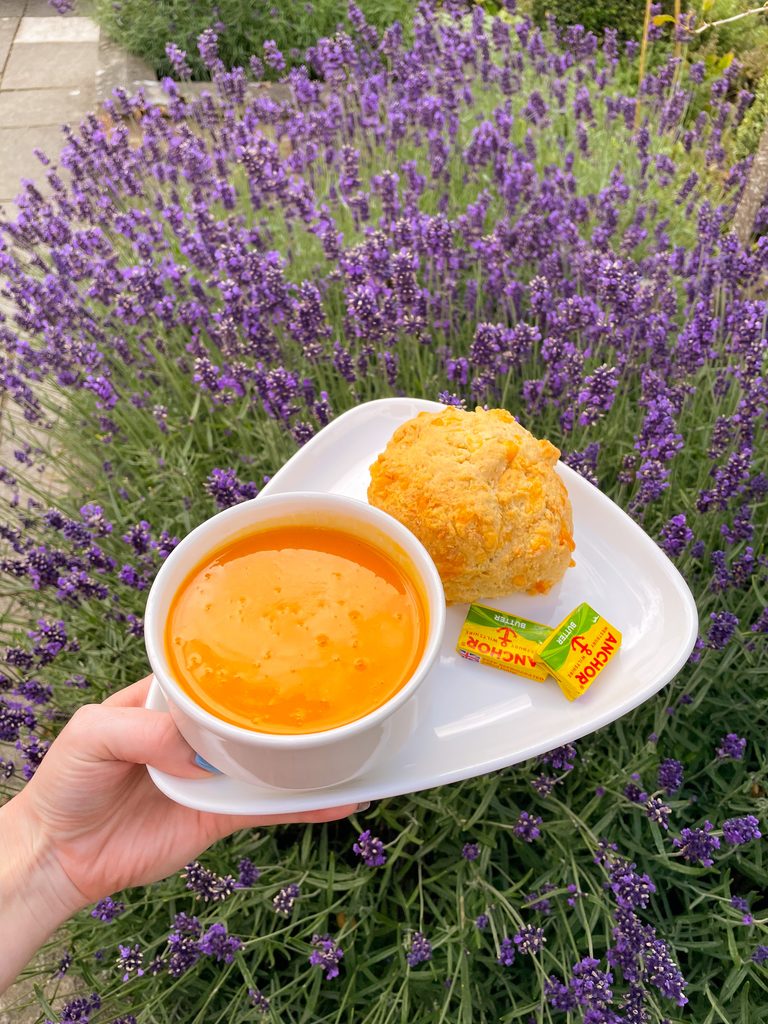
The compost supports the production of fruit, vegetables and ornamental plants, with fresh produce supplying Café Botanics and the Grow Kitchen. Surplus produce is donated to Inverness Foodstuffs to support people experiencing homelessness.
Environmental education sits alongside environmental action.
Through the Grow Project, volunteers, school groups, our kids club the Botanic Eco Explorers (BEEs) and thousands of visitors experience sustainable gardening, composting, biodiversity and food growing first-hand.
By connecting renewable energy, circular resource management, biodiversity and community learning, Inverness Botanic Gardens has become a living example of how visitor attractions can contribute meaningfully to Scotland’s environmental ambitions while inspiring others to adopt more sustainable lifestyles.
Waste reduction has been transformed at the Inverness Botanic Gardens & Café through the introduction of a hot composting system. Approximately 12,480 litres of food waste generated annually by Café Botanics, together with green waste from across the Gardens, is now composted on site rather than being removed for disposal.
This removes the need for approximately 52 collections each year of a 240-litre food waste wheelie bin, reducing transport emissions while producing nutrient-rich compost that improves soil health and reduces reliance on purchasing compost.
Environmental sustainability is also delivered through education and participation. The Grow Project teaches participants sustainable horticulture, composting, food growing and the complete “seed-to-plate” journey.
Volunteers, school groups, the Botanic Eco Explorers (BEEs) and thousands of visitors experience practical sustainability through demonstrations, interpretation and hands- on activities.
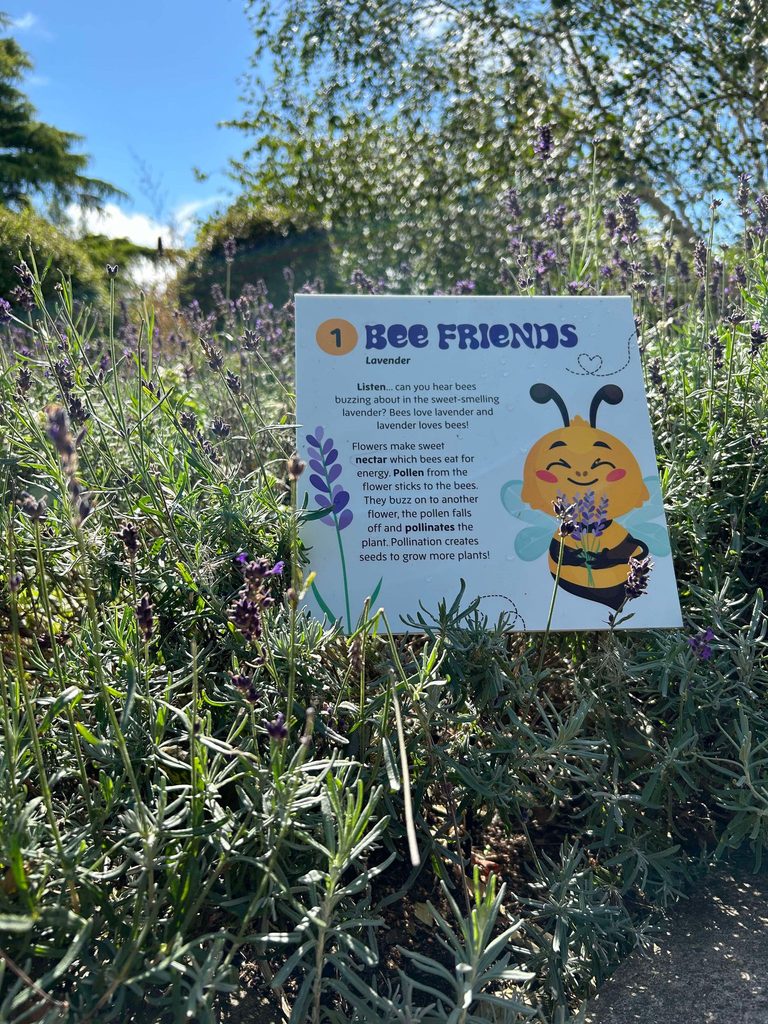
This year the volunteer-led BEEs developed and tested the new Summer Bee Trail, encouraging children to understand the importance of pollinators and adopt simple actions such as planting wildflowers, leaving areas unmown and supporting biodiversity at home. Alongside this, the new Garden Explorer Trail encourages visitors to discover native trees, wildlife habitats and biodiversity across the Gardens, reinforcing environmental messages through exploration and play.
At Inverness Botanic Gardens & Café the circular economy extends beyond day-to-day operations into community engagement.
Each autumn the Gardens host a community apple pressing programme, inviting local residents to bring surplus apples from their own gardens. Last season, around 500 kg of apples were transformed into approximately 300 litres of fresh juice, preventing valuable local fruit from being wasted while reconnecting people with seasonal food production.
The next phase is to install a pasteuriser, enabling visitors to preserve their own juice for up to twelve months and further reducing food waste.
Perhaps the greatest impact has been changing visitor behaviour. Sustainability is no longer something visitors simply read about; it is something they experience through composting demonstrations, local food production, biodiversity projects and interactive trails before taking ideas home to implement themselves.
Our environmental strategy will continue to strengthen our circular economy by increasing on-site composting capacity, expanding food production and further reducing waste.
The next phase is to replace all café takeaway packaging with certified compostable alternatives that can be processed through our hot composter, further increasing the amount of compost produced on site and reducing residual waste.
We also plan to invest in a commercial pasteuriser to expand our popular community apple pressing programme. Building on the success of transforming around 500 kg of surplus apples into approximately 300 litres of fresh juice, the pasteuriser will allow visitors to preserve juice made from their own fruit for up to twelve months, helping reduce food waste while encouraging greater use of local produce.
Alongside these developments we will continue to expand biodiversity projects, educational trails, renewable energy initiatives and community engagement, strengthening Inverness Botanic Gardens’ ambition to become Scotland’s leading example of a circular, low-carbon and environmentally regenerative visitor attraction.
Inverness Botanic Gardens & Café has demonstrated how environmental sustainability can be integrated into the operation of a visitor attraction. Over the past 12 months, the
Gardens have created a circular model that connects renewable energy, sustainable horticulture, food production, waste reduction, biodiversity and environmental education, delivering measurable environmental benefits while inspiring thousands of visitors to adopt more sustainable lifestyles.
• The installation of a 110m² solar photovoltaic system, generating approximately 20,000kWh of renewable electricity each year – this investment has reduced both carbon emissions and operating costs while demonstrating the practical application of renewable energy within a community facility. Visitors can see sustainability in action, helping to normalise low-carbon technologies.
• The Gardens have transitioned to 100% peat-free horticultural production. Eliminating peat from growing operations helps to protect important peatland habitats while continuing to produce more than 50,000 bedding plants and over 500 hanging baskets annually. This demonstrates that high-quality horticultural production can be achieved without compromising environmental responsibility.
• One of the most significant impacts has come through the introduction of a hot composting system. Approximately 12,480 litres of food waste generated by Café Botanics each year, together with green waste from across the Gardens, is now processed on site rather than being transported away for disposal.
This has removed the need for around 52 annual collections of a 240-litre food waste bin, reducing vehicle movements and associated emissions. At the same time, the process produces nutrient-rich compost that is reused throughout the Gardens, improving soil health and reducing the need to purchase compost. The benefits of this circular approach extend into food production. Compost produced on site supports the growing of fruit, vegetables and herbs used by the café and the Grow Kitchen, reducing food miles, strengthening connections between food production and consumption. Any surplus produce is donated to Inverness Foodstuffs, supporting people experiencing homelessness.
• Education and behaviour change are equally important outcomes. Members of the Grow Project, volunteers, schools, community groups and visitors can gain practical experience in composting, food growing, biodiversity and the complete seed-to-plate journey. Rather than simply communicating environmental messages, the Gardens provide hands-on opportunities that enable people to understand and apply sustainable practices in their own lives.
• Community engagement initiatives have further extended this impact. The volunteer-led Botanic Eco Explorers developed the new Summer Bee Trail, encouraging families to learn about pollinators and take positive action for biodiversity at home.
• The annual community apple pressing programme is another example of circular economy thinking in practice. Last year, approximately 500kg of surplus apples from local gardens were transformed into around 300 litres of fresh juice, preventing food waste while reconnecting people with seasonal food production.
• The overall impact has been cultural as well as environmental. Sustainability is no longer something visitors simply read about; it is something they actively experience. By connecting renewable energy, waste reduction, food production, biodiversity and education, Inverness Botanic Gardens & Café has become a living demonstration of environmental stewardship and a powerful example of how visitor attractions can contribute to Scotland’s transition to a more sustainable, low-carbon future.