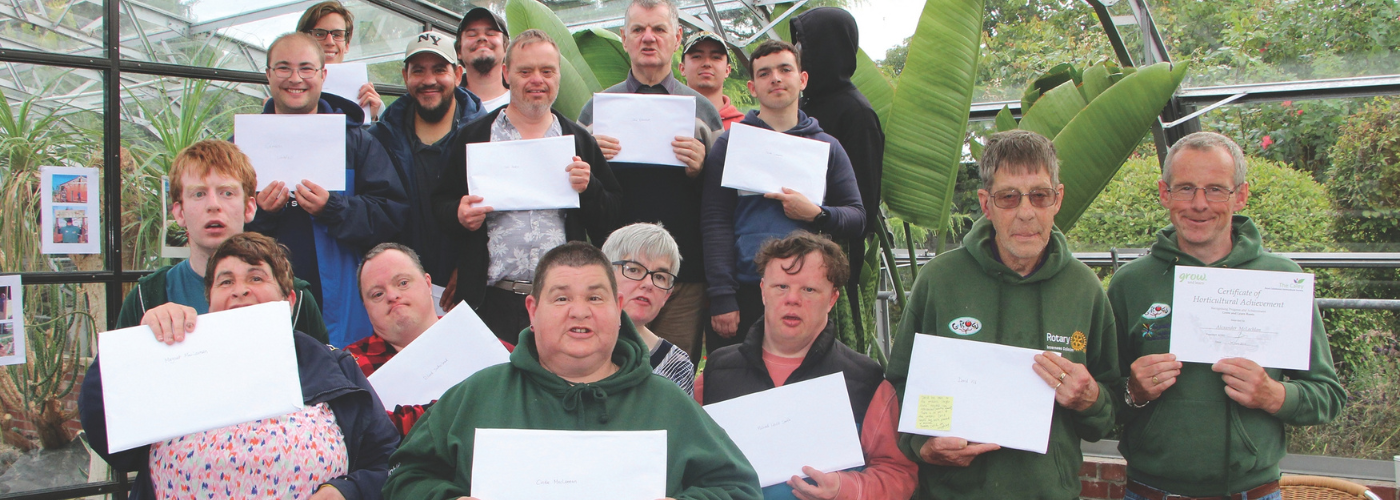
The Grow Project at Inverness Botanic Gardens and Café is an award-winning, nature-based learning programme supporting people with additional support needs and learning disabilities to build confidence, independence and employability through meaningful participation in one of Scotland’s leading visitor attractions.
During the past 12 months, 48 participants have attended Grow on a regular basis. Most attend weekly, while others participate two or three days each week. Rather than creating a separate service, Grow fully integrates participants into the daily operation of Inverness Botanic Gardens.
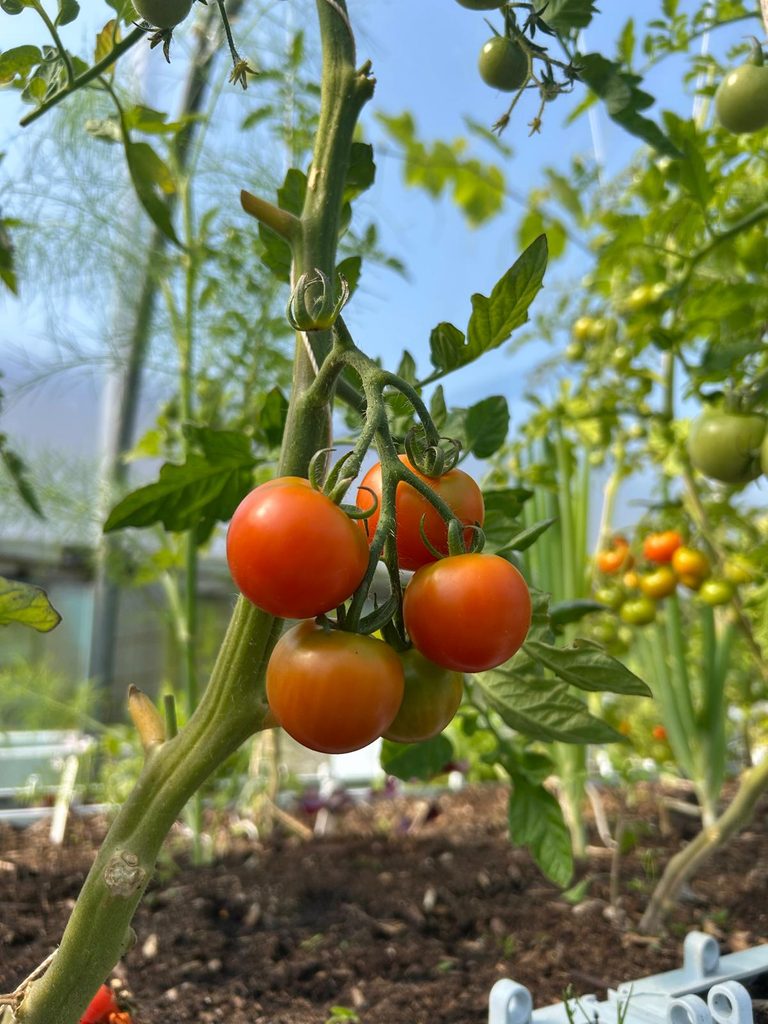
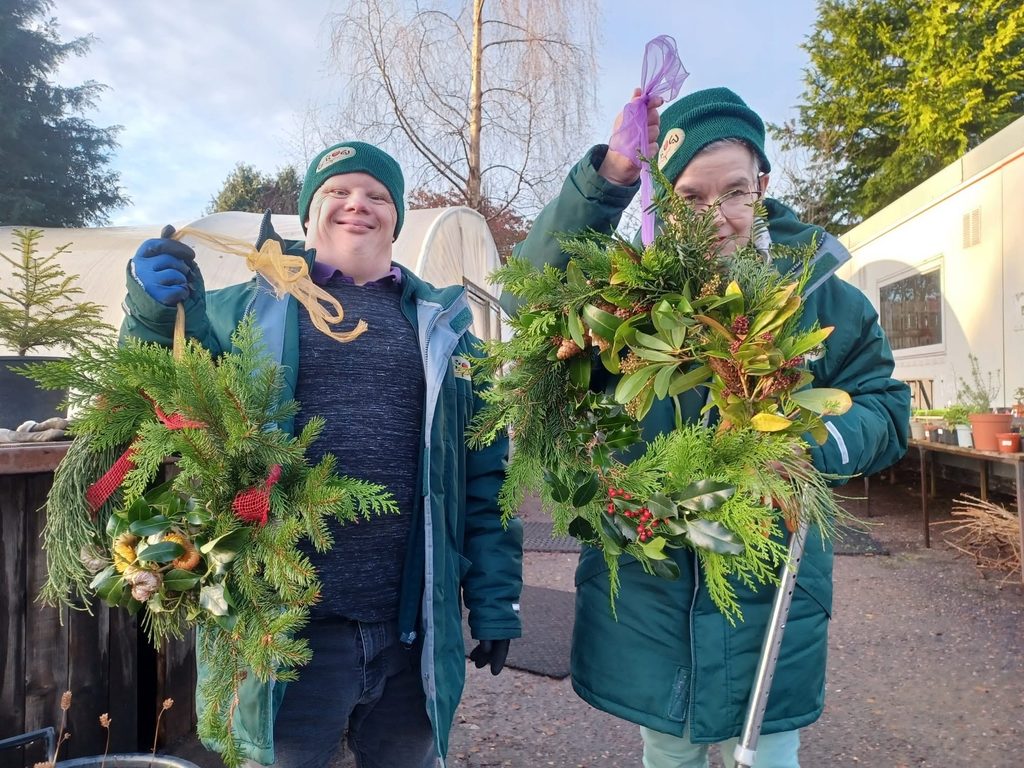
They sow seeds, propagate plants, maintain public displays, grow fruit and vegetables, harvest crops, prepare food in the Grow Kitchen and supply produce to Café Botanics.
Surplus produce is donated to Inverness Foodstuffs, supporting people experiencing homelessness.
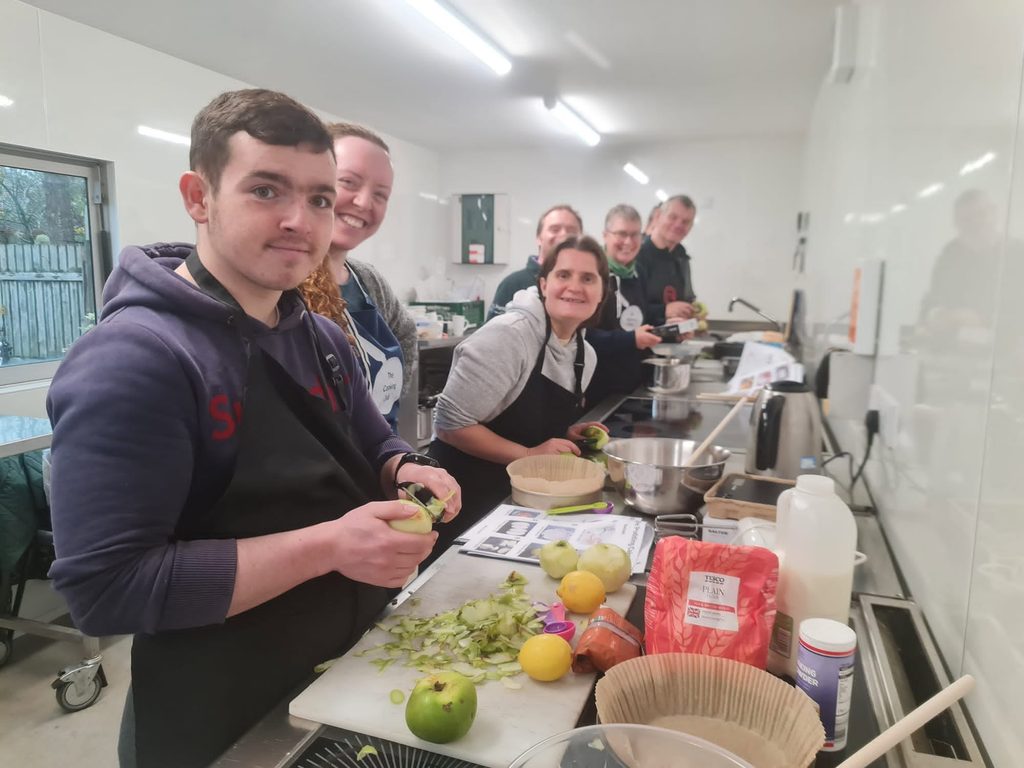
The introduction of the Grow Kitchen has transformed the programme by allowing participants to complete the full journey from seed to plate. Participants now grow, harvest, prepare and cook the food they have produced, learning food hygiene, nutrition, teamwork and independent living skills while sharing meals together.
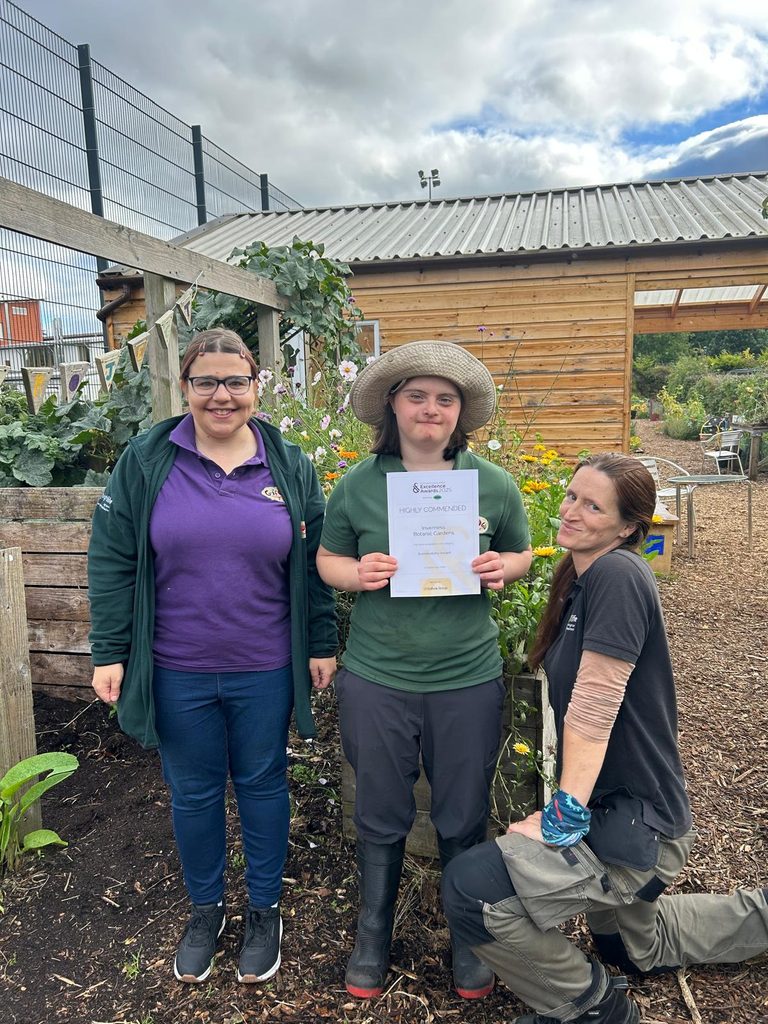
Grow removes barriers to participation by recognising people’s strengths rather than their disabilities. Participants contribute to a valued public service, working alongside professional staff, volunteers and visitors every day. Their achievements are visible throughout the Gardens, creating greater public understanding of disability while improving confidence, resilience and social inclusion.
The project demonstrates how inclusive practice can simultaneously improve lives, strengthen communities and deliver environmental and economic benefits.
The Grow Project was established to tackle isolation, improve wellbeing and create meaningful opportunities for people with additional support needs who often face significant barriers to education, employment and community participation.
Rather than providing activities in a segregated environment, Grow enables participants to contribute to the everyday operation of Inverness Botanic Gardens alongside professional gardeners, café staff, volunteers and thousands of annual visitors.
The programme directly supports Scottish Government priorities around inclusion, employability, health improvement and reducing inequalities by providing real responsibility within a supportive environment. Participants are recognised for what they can achieve rather than the challenges they face.
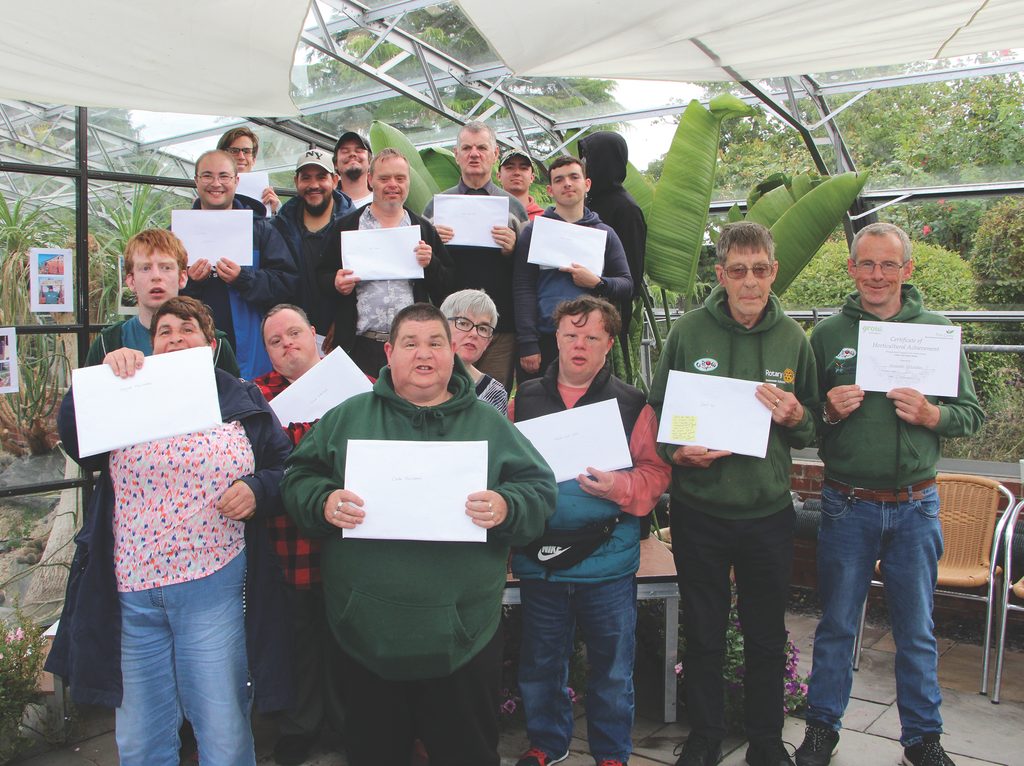
Over recent years the programme has grown from supporting 16 participants before the Covid pandemic to 48 participants today, demonstrating increasing demand and confidence in the service.
The biggest development during the last year has been the successful introduction of the Grow Kitchen. Participant feedback consistently highlighted a desire to cook the food they had grown, leading to the creation of a purpose-built teaching kitchen. The project now enables participants to complete the entire “seed to plate” journey by sowing, growing, harvesting, preparing and cooking fresh produce before sharing meals together.
This has created valuable opportunities to develop food hygiene, nutrition, kitchen safety, teamwork and communication skills alongside increased confidence and independence.
The kitchen has also strengthened partnership working with Inverness Cooking Club, whose volunteers regularly support sessions and share their expertise with Grow participants. Grow has also strengthened community connections beyond the Gardens. Produce is supplied to Café Botanics, while surplus fruit and vegetables are donated to Inverness Foodstuffs for the preparation of meals for people experiencing homelessness.
Participants therefore see their work making a positive difference both within the Gardens and across the wider community.
The impact of the programme is demonstrated through progression. During the last year participants have progressed into higher education and employment, including studying for an HND in Horticulture, an HNC in Horticulture, attending the Scottish School of Forestry, securing a butchery apprenticeship, and gaining employment as a Visitor
Services Assistant at the new Inverness Castle Experience. Others have developed the confidence to volunteer independently, travel to the Gardens without support and cook at home with their families or support workers.
Perhaps the greatest achievement is cultural rather than numerical. Grow has transformed how inclusion is viewed across Inverness Botanic Gardens and Café.
Participants are no longer seen as recipients of support but as much valued colleagues making a visible contribution to one of the Highlands’ most important public spaces.
Visitors interact naturally with participants every day, helping challenge perceptions around disability while creating a welcoming environment where everyone can contribute and belong.
The Grow Project will continue expanding opportunities for people with additional support needs by increasing participant capacity, strengthening partnerships with schools, colleges, employability services and community organisations, and further embedding participants within the operation of Inverness Botanic Gardens.
The Grow Kitchen will continue to develop as a centre for independent living, healthy eating and sustainability, expanding opportunities for food growing, preserving and cooking while increasing donations of surplus produce to local charities.
Our long-term ambition is to establish Grow as Scotland’s leading example of how horticulture, food production, environmental sustainability and community inclusion can be combined to create life-changing opportunities for people of all abilities.
The Grow Kitchen demonstrates what can be achieved when services are shaped by the people who use them. By creating a complete seed-to-plate experience, the project has delivered lasting social, educational and wellbeing benefits. More than a cooking programme, it is a powerful example of how inclusion, opportunity and trust can empower individuals to reach their potential while creating stronger, more connected communities.