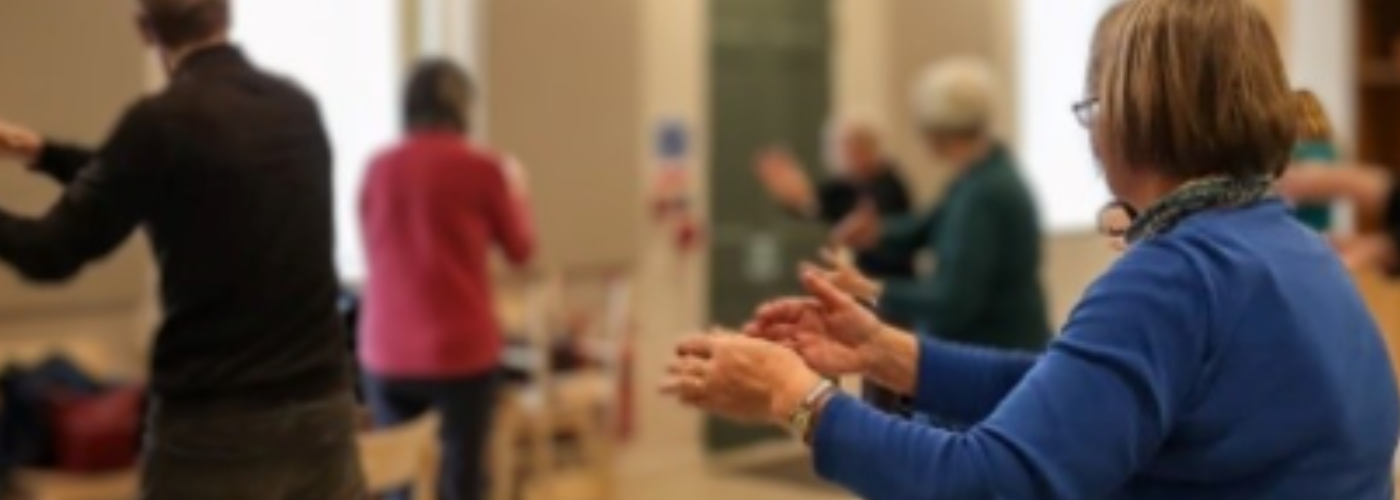
Movement at the Museum was created to address a significant barrier facing many older adults and people living with long-term health conditions: traditional gym and leisure environments can feel intimidating, inaccessible, or irrelevant to their needs.
In partnership with Corinium Museum, Cotswold District Council and Freedom Leisure, we developed an innovative community-based alternative that brings physical activity into a trusted and welcoming cultural setting.
The programme combines gentle movement, Tai Chi-inspired exercises, balance and mobility work, breathing techniques and chair-based options to ensure accessibility for all abilities. Sessions conclude with refreshments and social time, helping participants build connections and friendships.
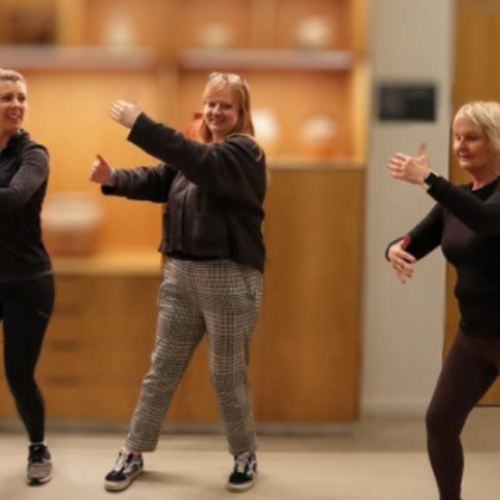
What makes the programme innovative is the use of a museum as a health and wellbeing venue. Rather than expecting inactive residents to attend a leisure centre, physical activity is delivered within a familiar and calming community space.
Many participants stated they would not have attended had the sessions been based in a traditional leisure setting.
The programme has improved physical health, confidence, mobility and mental wellbeing while reducing loneliness and social isolation. Participants have progressed into wider physical activity opportunities, formed lasting friendships and become more connected to their community.
The success of the programme has led directly to expansion, with two fully subscribed classes now running and further growth planned.
The initial programme engaged 12 inactive adults and older people, with every place fully booked.
Due to overwhelming demand and excellent participant feedback, a second Movement at the Museum class has since been introduced. Both classes are now operating with full cohorts, demonstrating sustained community demand and engagement.
Weekly sessions delivered in 8-week programmes.
Movement at the Museum supports national objectives around healthy ageing, prevention, reducing inactivity and improving mental wellbeing. It contributes to the wider public health agenda by helping people remain active, independent and socially connected for longer.
Locally, the programme aligns with Healthy Communities priorities, Cotswold District Council’s ambitions to reduce health inequalities and loneliness, and wider social prescribing objectives.
The initiative demonstrates how cultural venues can contribute to health improvement while increasing community engagement and access to local assets.
By providing a supportive entry point into physical activity, the programme helps prevent deterioration in physical and mental health while promoting long-term behaviour change.
Community engagement was central to both the design and delivery of the programme. The initiative was developed through collaboration between Freedom Leisure, Cotswold District Council and the Corinium Museum, creating a unique cross-sector partnership focused on improving local wellbeing.
Participants were recruited through community networks, Healthy Communities programmes, local referrals and voluntary sector partners, including Parkinson’s UK.
The museum venue itself proved to be a powerful engagement tool, attracting individuals who would not typically attend exercise sessions in leisure centres.
Sessions were designed to be welcoming, inclusive and social. Refreshments following each class encouraged conversation and relationship building, helping participants develop meaningful connections with others in their community.
Several participants discovered shared local connections through the programme, with one participant even finding a neighbour they had never previously met despite living nearby.
Key outcomes include:
•Initial programme fully booked with 12 participants.
•A second class established in response to demand.
•Both classes now operating with full cohorts.
•100% participant satisfaction rating.
•10 of 12 original participants committed to continuing physical activity.
•2 participants progressed into wider Healthy Communities programmes.
•2 participants progressed into more advanced exercise provision.
•Reported improvements in mobility, balance, flexibility, confidence and sleep quality.
•Significant reductions in feelings of isolation and anxiety reported through participant feedback.
The programme has delivered significant physical, mental and social benefits. Participants reported improved balance, flexibility, mobility and confidence in everyday activities.
The instructor observed measurable progression in movement skills throughout the programme, particularly in balance and Tai Chi movement patterns.
Mental wellbeing outcomes have been equally powerful. Participants described feeling calmer, more confident and better able to manage stress and anxiety. The peaceful museum setting was frequently highlighted as a key factor in creating a positive experience.
The strongest impact has been on social connection. New friendships have formed, support networks have developed and participants continue to socialise outside of the sessions.
These relationships have helped tackle loneliness and create a greater sense of community belonging.
The programme has also widened engagement with the Corinium Museum, with several participants visiting for the first time and expressing an intention to return with family and friends.
Movement at the Museum has already demonstrated strong sustainability and clear potential for growth.
Following the success of the initial programme, a second class was introduced in direct response to participant demand. Both classes are now running with full cohorts, demonstrating ongoing community need and the effectiveness of the model.
The programme has progressed beyond a pilot initiative and is now an established part of the Healthy Communities offer. Continued partnership working between Freedom Leisure Corinium Museum and Cotswold District Council provides a strong foundation for future delivery and development.
Future ambitions include:
• Maintaining and growing the two existing classes.
• Expanding capacity to reduce waiting lists.
• Developing additional heritage and culture-based wellbeing programmes.
• Strengthening referral pathways from healthcare, social prescribing and voluntary sector partners.
• Creating further progression opportunities into Healthy Communities and leisure centre activities.
• Replicating the model in other museums, libraries and community venues across the district.
Movement at the Museum demonstrates that trusted community spaces can play a transformative role in supporting health and wellbeing. With proven demand, strong partnerships and two fully subscribed classes already in operation, the programme offers a sustainable and scalable model for tackling inactivity, reducing isolation and building stronger communities.